Welcome to our company
Call us: 240-935-1802


About Us
Our mission at FTZ is to provide students with introduction level requirements and awareness to professional careers outside of a traditional educational environment.
Contact usContact Us Today
- 145 fleet st #233 National Harbor, MD 20745
- 240-935-1802
- info@functionaltrainingzone.net
- Monday-Friday: 9:30am-4pm


Why It’s Okay to Ask for Help (and How to Do It)
By: Chris the Graduate Whether you’re adjusting to college, trying to figure out your career path, or just dealing with everyday life, one thing a lot of students struggle with is asking for help. Somewhere along the way, we start thinking that we have to figure everything out on our own, like needing help means we’re weak, failing, or falling behind. But the truth is, asking for help isn’t a sign of weakness; it’s a sign of strength. It takes self-awareness, maturity, and courage to admit when you’re struggling. And more often than not, getting help early on is what prevents a small issue from becoming a much bigger problem. Let’s break down why asking for help is not only okay it’s necessary. And more importantly, let’s talk about how to actually do it in a way that feels natural, honest, and effective. 1. Everyone Struggles Even If They Don’t Show It From the outside, it might look like everyone around you has it all together. Some people seem to breeze through assignments, juggle jobs and social lives, and still have time for the gym and Netflix. But appearances don’t tell the whole story. Everyone struggles with something: stress, doubt, burnout, relationships, money, school, you name it. Some people just get better at hiding it. When you ask for help, you’re not the only one who has ever needed it; you’re just the one brave enough to say it out loud. You’re not alone. And chances are, someone else has been exactly where you are and knows how to help. 2. Getting Help Early Can Save You From Bigger Issues Later One of the most important reasons to ask for help early is that it gives you options. Whether it’s falling behind in class, struggling with your mental health, or feeling overwhelmed with responsibilities, asking for help sooner gives you the best chance to turn things around. Waiting too long often makes problems worse, not because they’re impossible to solve, but because they’ve been growing in silence. The sooner you reach out, the sooner you can get support, resources, and solutions. And sometimes just talking about what’s going on can bring a huge sense of relief. You don’t have to have all the answers; you just have to take the first step. 3. It Builds Stronger Relationships and Community Asking for help isn’t just about fixing problems, it’s also about building real, human connections. When you open up to someone, whether it’s a friend, professor, counselor, or mentor, you’re creating space for honesty and trust. People generally want to help. It feels good to be there for someone else. By reaching out, you’re showing vulnerability, and that often leads to deeper conversations, stronger friendships, and mutual support. The people who care about you want to know what’s going on, and asking for help shows that you trust them enough to share it. And here’s the cool part: once you learn how to ask for help, you get better at offering it to others, too. 4. You Learn Problem-Solving and Communication Skills Asking for help doesn’t mean you’re handing off the problem to someone else; it means you’re being proactive about finding a solution. You’re learning how to explain what you need, what’s not working, and what kind of support you’re looking for. That’s a huge life skill. Whether it’s asking for an extension from a professor, clarification from a classmate, advice from a friend, or support from a mental health professional, every time you reach out, you’re practicing honest communication. And the more you do it, the easier it gets. You’ll start realizing that getting support is a strength, not a setback. 5. There Are More Resources Than You Probably Realize Most schools and communities offer way more resources than students actually use, mostly because people don’t know they exist or are too nervous to ask. You might have access to academic tutoring, free therapy sessions, student mentorship programs, emergency financial aid, or dedicated advisors who are literally paid to help you succeed. But none of those resources can help you if you never raise your hand. Start with what’s around you. Talk to an RA, a student leader, a professor you trust, or even a friend who’s been through something similar. Asking one person can open the door to everything else. 6. So, How Do You Actually Ask for Help? If asking for help feels awkward or unfamiliar, you’re not alone. Here are a few ways to make it easier: Asking for help doesn’t mean you’re failing. It means you care enough about yourself to do something about it. Help Is a Bridge, Not a Crutch In a world that praises independence and hustle, it’s easy to think you’re supposed to handle everything alone. But the truth is, no one gets through life without help, not really. The people who succeed aren’t the ones who do it all by themselves; they’re the ones who know when to reach out, lean on others, and take advantage of the support available to them. Asking for help isn’t giving up, it’s leveling up. It’s a step toward clarity, growth, and healing. So if you’re carrying something heavy academically, emotionally, financially, or anything in between, you don’t have to keep carrying it alone. Take the first step. Say something. Ask. That simple decision could change everything.

Volunteering: Gain Experience While Helping Others
By: Chris the Graduate If you’re a student trying to figure out who you are, what you want to do, and how to build a solid future, volunteering might not be the first thing that comes to mind, but it should be. Volunteering isn’t just about giving back to the community. It’s one of the best ways to grow as a person, develop real-world experience, and make meaningful connections, all without the pressure of grades or a paycheck. Whether you’re in college or just stepping out of high school, volunteering can help you explore career paths, build confidence, and discover what you care about. Let’s break down why volunteering is such a powerful move for young adults and what you can gain from giving your time. 1. You Gain Real Experience (Without Needing Experience) One of the best things about volunteering is that you don’t need any qualifications to start; you just need the willingness to help. That means you can jump into opportunities that give you practical, hands-on experience in a variety of areas. Want to work in healthcare someday? Try volunteering at a local hospital or clinic and observe how things run. Curious about working with kids? Volunteer at a youth center or after-school program. Want to get into event planning, social media, or nonprofit work? Tons of organizations need help promoting fundraisers, managing logistics, or designing flyers. The experiences you gain while volunteering aren’t just filler on a resume; they’re actual skills. You’ll learn how to collaborate, communicate, lead, and adapt all things employers care deeply about. 2. You Build Confidence and Life Skills Volunteering gives you the chance to work with real people in real situations — and that teaches you more than any classroom can. You learn how to talk to strangers, solve unexpected problems, and manage your time. At first, it might feel intimidating to step into a new environment. But the more you do it, the more you grow. You’ll start realizing how capable you are, especially when you face challenges or lead a small project. These little wins build your confidence, bit by bit. Even more importantly, you learn how to be dependable. Showing up consistently, staying accountable, and doing your part teaches you discipline and maturity, and those qualities stay with you in every part of life. 3. You Make Connections That Actually Matter Volunteering connects you with people who are passionate about making a difference. These are often the most driven, genuine, and hardworking people you’ll meet and they’re exactly the kind of people you want in your circle. You’ll meet community leaders, nonprofit staff, professionals in your field of interest, and other student volunteers who share your values. These connections can lead to future jobs, mentorship, internships, or even just solid friendships. And because you’re working together for a meaningful cause, the bonds tend to be stronger and more authentic than what you’d get from a quick group project in class. Even if networking isn’t your goal, it’s a huge bonus to know that the people you meet through volunteering may vouch for you or recommend you down the line. 4. You Strengthen Your Resume Without Stressing For students, building a resume can be tough, especially if you don’t have much job experience yet. Volunteering is one of the best ways to fill those gaps while still gaining meaningful experience. Whether you’re leading a food drive, managing supplies, or teaching kids how to read, those are real responsibilities that show initiative and leadership. You can list them on your resume just like a job, and they make great talking points in interviews. Plus, volunteering shows that you’re not just focused on yourself, you’re community-minded, willing to take initiative, and driven by purpose. That stands out to hiring managers, scholarship committees, and even grad schools. 5. You Discover What Matters to You Sometimes, we don’t figure out what we care about until we’re right in the middle of it. Volunteering gives you the space to explore new causes, meet people from different walks of life, and step outside of your routine. You might realize you love working with kids, advocating for social justice, supporting mental health causes, or protecting the environment. Or you might try something and decide it’s not for you, which is just as important. Every experience teaches you something about yourself. The best part? You’re helping others while you figure it out. And along the way, you may discover a passion that turns into your career or, at the very least, a lifelong commitment to something you care about. 6. You Start Creating Real Impact Right Now It’s easy to feel like you have to wait until you “have it all together” before you can make a difference. But the truth is, you don’t have to wait. You can start showing up for others right now, exactly as you are. Whether you’re organizing a campus food drive, mentoring a younger student, or helping clean up your neighborhood, your time and effort matter. You don’t need a title, degree, or job offer to create impact. Volunteering reminds you that your presence, your voice, and your willingness to help already count. Volunteering Helps You Grow While Giving Back Volunteering isn’t just about being a “good person,” it’s about becoming a well-rounded, experienced, and connected version of yourself. You get to help others, learn new things, and make genuine connections that shape your path forward. If you’re unsure where to start, begin small. Ask around on campus, look for service-oriented clubs, check out community bulletin boards, or search online platforms like VolunteerMatch or Idealist. The opportunities are out there; all you have to do is take the first step. No matter what your major is, what career you’re aiming for, or how busy your schedule feels, volunteering is one of the smartest and most rewarding moves you can make in your student years. Because the truth is: when you show up for others, you end up showing up for

College Clubs and Organizations Worth Joining
By: Chris the Graduate College is more than just textbooks, lectures, and pulling all-nighters for exams. It’s a fresh start, a place to explore who you are, what you’re passionate about, and who you want to become. One of the best ways to make the most of this time is by getting involved in student clubs and organizations. These groups not only help you connect with others but also give you valuable experience that can shape your future. Whether you’re looking to expand your social circle, build leadership skills, or explore a hidden passion, there’s a club out there for you. Let’s break down the types of organizations worth checking out during your college journey and why they can make all the difference. 1. Academic and Major-Based Clubs If you’re serious about your career or want to get ahead in your major, academic clubs are a great place to start. These organizations are often tied to specific fields like biology, business, engineering, or communications. They offer guest speaker events, career fairs, tutoring opportunities, and even hands-on projects that look great on a resume. These clubs are especially helpful when you’re trying to figure out if a major is the right fit. Talking to older students in your field can give you insight into the classes, professors, and job opportunities tied to that path. It’s also a space to ask questions you might not want to bring up in a formal setting, like how hard that one professor really is or what internships are actually worth your time. 2. Cultural & Identity-Based Organizations Leaving home and entering a new environment can be tough, especially if you come from a unique cultural or identity background. That’s where cultural clubs come in. Whether it’s the Black Student Union, Latinx Student Association, Muslim Student Association, or LGBTQ+ Alliance, these organizations create a sense of belonging that goes far beyond surface-level socializing. They host cultural events, awareness weeks, open discussions, and community-building activities. These clubs can be healing, empowering, and fun all at once. They allow students to share experiences, celebrate their heritage, and educate others. Even if you don’t identify with the group’s specific focus, joining as an ally is a great way to broaden your perspective and support your peers. 3. Professional Development Organizations College is a launchpad for your career, and professional clubs help you prepare for takeoff. Groups like Toastmasters (public speaking), Enactus (social entrepreneurship), or even student-run consulting firms give you real-world experience while you’re still in school. You’ll have chances to work on group projects, attend leadership conferences, and build a network of like-minded, driven students. These clubs are more than just “resume boosters.” They help you grow confident in your ability to lead, speak in public, solve problems, and work with others. And when it comes time to apply for internships or jobs, these are the stories that will help you stand out. 4. Service and Volunteer Organizations If you’re the type of person who wants to give back, service-based clubs might be your calling. These organizations focus on helping others, whether through food drives, tutoring programs, campus cleanups, or volunteering with local nonprofits. Groups like Habitat for Humanity or Rotaract (the college version of Rotary Club) are nationally recognized and can open doors for future civic and global involvement. Service clubs aren’t just about doing good, they’re also about finding purpose. Many students discover their passion for social work, education, healthcare, or community organizing through volunteer opportunities. And there’s no better way to meet kind-hearted, driven people than by serving alongside them. 5. Creative and Performing Arts Clubs If you’re someone who thrives through self-expression, college is a great time to embrace your artistic side. Music ensembles, dance crews, theater troupes, photography collectives, and creative writing clubs all provide a space to create and perform without judgment. Even if you’ve never performed before, many clubs welcome beginners and offer workshops to help you grow. These clubs are not only an emotional outlet but also a way to stay balanced. When academics get overwhelming, stepping into a rehearsal or open mic night can remind you why you love what you do. Plus, the skills you learn collaboration, stage presence, and creativity, are highly valuable in any career. 6. Greek Life (Fraternities & Sororities) Greek organizations offer a unique combination of social engagement, leadership development, and structured community. While they’re often known for their parties, many fraternities and sororities are deeply involved in philanthropy, campus leadership, and academic support. Being part of a Greek organization can connect you with a lifelong network of alumni and friends. However, Greek life isn’t for everyone, and every chapter is different. If you’re considering joining, attend rush events with an open mind but a clear sense of your values. A good chapter will support your growth, encourage service, and offer real opportunities for personal and professional development. 7. Student Government Want to be involved in decision-making on campus? Student Government is where it happens. This organization acts as a bridge between the student body and university administration, advocating for policies, budgets, and changes that impact student life. It’s ideal for students interested in leadership, law, public policy, or anyone who wants to create positive change. You don’t have to be a political science major to get involved. Student Government can teach you negotiation, public speaking, event planning, and how to handle real responsibility. It’s also one of the best ways to leave your mark on campus. 8. Special Interest and Hobby Clubs From anime and gaming to rock climbing, cooking, coding, or even mushroom hunting, if you have a hobby, there’s probably a club for it. These groups are often low-pressure, fun, and full of people who share your quirky passions. They’re also a great way to try something completely new without judgment. Joining a hobby club can help you de-stress, explore new sides of yourself, and meet friends who like the same weird stuff you do. Sometimes, these are the most

Balancing School, Work, and your Social Life
By: Chris the Graduate Being a student in college or even high school isn’t just about taking notes and passing tests anymore. Many of us are juggling way more than just homework; we’re clocking into part-time jobs, going to meetings, attending events, and trying not to disappear from our social circles. Balancing school, work, and your social life is a lot, and honestly, it can feel overwhelming. But with the right mindset and a few smart habits, it’s totally doable. Here’s a down-to-earth guide to help you manage it all without burning out. Let’s face it, if you’re trying to do school, work, and still have a social life, “winging it” isn’t going to cut it. Using a planner, Google Calendar, or even the reminders app on your phone can seriously change the game. Try mapping out your class schedule first, then plug in your work shifts. Once you’ve got those locked in, figure out when you’ll do homework and study. Then, and this is important, make room for time with friends, downtime, and self-care. You don’t have to schedule every second, but having a rough idea of what your week looks like keeps you from scrambling or double-booking. When you’ve got a lot going on, everything can feel urgent, but it’s not. Learning to prioritize helps you stay focused and avoid last-minute stress. Ask yourself: What’s due first? What affects my grades the most? What commitments are flexible, and which are non-negotiable? If you’ve got a paper due tomorrow and your friends want to hang out tonight, you might need to pass. On the flip side, if you’ve had a crazy week and your brain’s fried, taking a couple of hours to recharge with friends might actually help you perform better in school and work the next day. It’s about balance, not perfection. One of the hardest lessons students learn is that you can’t do everything, at least not all at once. If you feel like you’re drowning, take a step back. Are you working too many hours? Can you cut back on an activity or shift your focus for a semester? It’s okay to say no to extra shifts or politely pass on a night out if you need rest. Talk to your boss if your schedule is interfering with school. Most managers understand and respect students who communicate early and honestly. Same goes for professors; they’re more willing to help when they know what’s going on. Here’s the thing: your social life is important. It’s not just about fun, it’s also about your mental and emotional well-being. Making time for friends, game nights, clubs, or just hanging out helps you feel connected and less stressed. The trick is finding ways to stay social without falling behind. Combine study sessions with classmates, go to events that don’t eat up your whole night, or invite friends to hang out during lunch or in between classes. Staying social doesn’t always mean big parties; it’s the little connections that keep you sane. This one sounds weird, but it’s legit. You need time to do nothing. No work, no homework, no commitments. Even if it’s just a 30-minute walk, lying in bed listening to music, or watching your favorite show, downtime is a must. Without it, you’re going to burn out fast. Taking care of your mind and body helps you focus better and keeps you from hitting a wall mid-semester. Rest is productive too; never feel guilty for giving yourself a break. At the end of the day, balance isn’t about having equal time for everything; it’s about making sure the most important parts of your life are getting the attention they need. Some weeks, school will need more focus. Other times, work might be heavier or a friend may need your support. Be flexible with yourself and adjust as life shifts. You’re not a machine, you’re a human being trying to grow, learn, and live at the same time. That alone is impressive.

Life After High School: Navigating the Real World
By: Chris the Graduate Graduating from high school is a major milestone. It marks the end of a familiar routine and the beginning of a new chapter filled with choices, challenges, and opportunities. Whether you’re going to college, entering the workforce, joining the military, or still figuring things out, the years that follow can feel overwhelming. This essay breaks down what to expect after high school and how to handle the transition into adulthood. Newfound Freedom and Responsibility One of the biggest changes after high school is the amount of freedom you gain. For many, this is the first time they’re in charge of their schedule, routines, and decisions. With no one around to constantly remind you to study, clean, or go to class or work, staying on track becomes your responsibility. For example, moving out of your parents’ house means learning how to do things like laundry, budgeting, and cooking. You may have to set your schedule, wake yourself up on time, and stay organized without help. This freedom can be exciting, but it requires discipline to manage it well. Changing Friendships After high school, it’s common for friendships to change. People go to different schools, move to new cities, or start working full-time. The people you saw every day may now only be reachable through social media or occasional phone calls. This doesn’t mean friendships have to end, but it does mean effort is needed to maintain them. At the same time, new friendships will form through work, college, or community activities. These new connections can bring fresh perspectives and support during this transition period. Exploring Different Paths It’s perfectly normal to feel uncertain about your future. Many people who think they have everything figured out end up changing their plans. Some may switch college majors, change jobs, or discover new interests along the way. For example, someone might start off wanting to study engineering but later realize they enjoy business or design more. Others may take a job right out of high school and decide to go to trade school or college later on. Exploring different options and making changes is part of the process of figuring out what you want. Learning to Manage Money One of the biggest challenges after high school is learning how to manage money. Whether you’re working part-time or full-time, paying for school, or just trying to cover basic expenses, money becomes a major part of your everyday life. It’s easy to overspend on things like eating out or shopping, especially when you start earning your paycheck. Many young adults find themselves surprised by how quickly money disappears when bills, rent, or car expenses are due. Creating a simple budget and tracking your spending can help you stay in control and avoid debt early on. Dealing with Adult Responsibilities Life after high school includes new responsibilities like filing taxes, picking insurance plans, and registering to vote. These things might seem confusing at first, but they’re all part of becoming an adult. Many people feel unsure about how to handle these tasks in the beginning, but there are resources everywhere, from online guides to asking questions at work or school. Learning how to take care of these responsibilities will give you more confidence and independence over time. The years after high school are full of learning and growth. You’ll face challenges, make mistakes, and experience new things. While the future may seem uncertain, it’s important to remember that everyone moves at their own pace. You don’t need to have everything figured out right away. What matters most is staying open to learning, being patient with yourself, and taking steps forward, one decision at a time. Life after high school is just the beginning, and there’s a lot to look forward to.
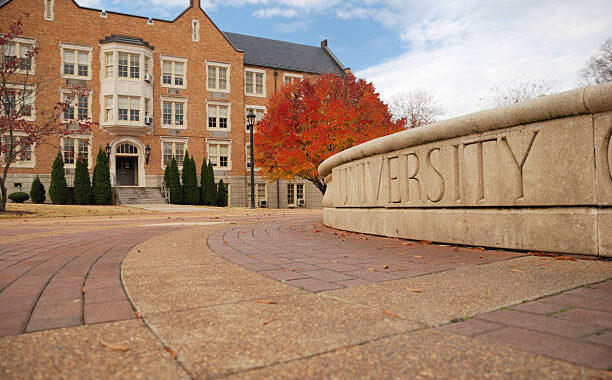
How to Stay Motivated When Classes Get Tough
College life isn’t always smooth sailing. There are moments when classes become overwhelming, assignments pile up, and exams seem impossible to prepare for. Staying motivated during these tough times can feel like an uphill battle, but it’s not impossible. Here are some practical strategies to help you push through challenging academic periods and stay on track. Reconnect with Your Goals When coursework feels overwhelming, remind yourself why you’re here in the first place. What are your long-term goals? Whether it’s landing your dream job, building a meaningful career, or achieving personal growth, reconnecting with your purpose can reignite your motivation. Write down your goals and keep them somewhere visible as a constant reminder of what you’re working toward. Break Tasks into Manageable Pieces Big assignments or challenging exams can feel insurmountable, leading to procrastination. Instead of focusing on the entire task, break it into smaller, more manageable steps. For instance, if you have a research paper due, start by outlining your ideas, then work on one section at a time. Completing small steps gives you a sense of accomplishment and keeps you moving forward. Create a Study Routine Establishing a consistent study routine can help you stay organized and reduce stress. Dedicate specific times each day to studying and stick to that schedule. A routine builds discipline and minimizes the temptation to procrastinate. Over time, studying becomes a habit rather than a chore. Seek Support from Peers and Professors You don’t have to face tough classes alone. Reach out to classmates for study sessions or join a study group. Discussing difficult concepts with peers can provide new perspectives and make learning more engaging. Additionally, don’t hesitate to approach your professors during office hours for clarification or guidance—they’re there to help you succeed. Celebrate Small Wins Acknowledging your progress, no matter how small, can boost your morale and keep you motivated. Did you finish reading a challenging chapter or finally understand a tricky concept? Celebrate it! Rewarding yourself for small accomplishments can create positive reinforcement and make the journey feel less daunting. Incorporate Breaks and Self-Care Studying for hours on end without breaks can lead to burnout. Schedule short breaks during your study sessions to recharge. Use this time to stretch, take a walk, or simply relax. Don’t forget to prioritize self-care activities like exercise, proper nutrition, and adequate sleep—a healthy body supports a motivated mind. Visualize Your Success Visualization is a powerful tool. Spend a few minutes each day imagining yourself successfully completing your classes, acing your exams, or achieving your goals. This mental exercise can help reinforce your belief in your abilities and keep you focused on the bigger picture. Embrace a Growth Mindset Remember, challenges are opportunities for growth. Instead of viewing tough classes as obstacles, see them as chances to learn and improve. Embrace the mindset that effort and perseverance lead to improvement. This perspective can make the journey feel more rewarding and less stressful. Limit Distractions Distractions can derail even the most determined student. Identify what distracts you the most—whether it’s social media, TV, or noisy environments—and find ways to minimize these interruptions. Consider using productivity apps, creating a dedicated study space, or setting boundaries with friends and family during study times. Remember to Ask for Help If you’re feeling completely overwhelmed, don’t hesitate to seek help. Many colleges offer academic support services, tutoring programs, and counseling resources. Reaching out for assistance is a sign of strength, not weakness. There’s no shame in asking for the help you need to succeed. Staying motivated when classes get tough is about finding strategies that work for you and reminding yourself that challenges are temporary. By breaking tasks into manageable steps, seeking support, and prioritizing self-care, you can overcome obstacles and continue moving toward your goals. Remember, persistence pays off—keep going, and you’ll be proud of what you accomplish.

Online vs. In-Person Classes: Which Is Best for You?
By: Chris the Graduate As a college student, one of the biggest decisions you might face is choosing between online and in-person classes. Both formats offer unique advantages and challenges, and the right choice depends on your learning style, schedule, and goals. Let’s dive into the pros and cons of each option to help you decide. Online Classes Pros: Cons: In-Person Classes Pros: Cons: How to Decide When choosing between online and in-person classes, consider these factors: Online and in-person classes have their merits, and there’s no one-size-fits-all answer. By evaluating your priorities, learning style, and resources, you can make an informed decision that aligns with your academic and personal goals. Whether you choose to learn virtually or on campus, what matters most is finding a format that works for you and helps you succeed in your college journey.

Making Time for Yourself: Self-Care Tips for College Students
By: Chris the Graduate College life can be incredibly demanding. Between classes, assignments, work, and extracurricular activities, it’s easy to forget about one important aspect: you. Self-care isn’t a luxury—it’s necessary to maintain mental and physical well-being, especially during such a busy phase of life. Here are some practical self-care tips to help you thrive in college: 1. Prioritize Sleep Sleep often takes a backseat when deadlines pile up, but it’s essential for cognitive function and overall health. Aim for 7-9 hours of sleep each night. Try setting a consistent bedtime and creating a relaxing pre-sleep routine, such as reading or meditating, to help you wind down. 2. Stay Active Physical activity doesn’t have to mean hitting the gym for hours. A short walk around campus, yoga in your dorm, or a quick workout session can boost your energy and reduce stress. Find an activity you enjoy and make it a regular part of your routine. 3. Eat Balanced Meals Proper nutrition fuels both your body and mind. While it’s tempting to grab fast food or skip meals, try to incorporate fruits, vegetables, lean proteins, and whole grains into your diet. Prepping meals or keeping healthy snacks on hand can make eating well more manageable. 4. Schedule “Me Time” Block out time in your calendar for activities that make you happy, whether it’s reading, drawing, or watching your favorite show. Treat this time as non-negotiable—just as important as your classes or work shifts. 5. Practice Mindfulness Mindfulness practices, such as meditation or journaling, can help you manage stress and stay focused. Even just a few minutes of deep breathing each day can make a difference. There are also many apps available to guide you through mindfulness exercises. 6. Learn to Say No It’s okay to decline invitations or additional responsibilities if you’re feeling overwhelmed. Saying no when needed allows you to prioritize your own well-being without overcommitting. 7. Seek Support Don’t hesitate to ask for help if you’re feeling stressed or struggling. Many colleges offer counseling services, peer support groups, and wellness resources. Talking to friends or family members can also provide comfort and perspective. 8. Set Realistic Goals Break your tasks into smaller, achievable goals to avoid feeling overwhelmed. Celebrate your progress, no matter how small, and remember that it’s okay not to be perfect. 9. Disconnect When Needed Constant notifications and screen time can be draining. Set boundaries for your technology use by turning off notifications during study sessions or creating tech-free zones in your day. 10. Celebrate Your Wins Recognize and celebrate your accomplishments, whether it’s acing an exam, completing a project, or simply making it through a tough week. Positive reinforcement can boost your morale and motivate you to keep going. Self-care is about creating a balance that allows you to be your best self. By incorporating these tips into your college routine, you’ll be better equipped to handle challenges, stay focused, and enjoy your college experience. Remember, taking care of yourself isn’t selfish—it’s essential. Make time for yourself, and you’ll see the benefits in every aspect of your life.

Balancing a Part-Time Job and College: How to Make It Work
By: Chris the Graduate Managing a part-time job while attending college is no small feat, but with the right strategies, it’s entirely possible to succeed in both. Whether you’re working to support yourself financially or gain experience for your future career, here’s how to balance your commitments without burning out. Prioritize Time Management The cornerstone of balancing work and school is effective time management. Use a planner or digital calendar to schedule your classes, work shifts, and study time. For example, if you have a long break between classes, use that time to complete assignments or review notes instead of scrolling on your phone. By breaking down your tasks into smaller, manageable chunks and setting reminders for deadlines, you can stay organized and reduce last-minute stress. Sticking to a structured schedule ensures you meet your academic and work responsibilities while leaving room for relaxation. Set Realistic Goals Be clear about what you hope to achieve academically and professionally each semester. For instance, if you’re taking a heavy course load, consider working fewer hours to avoid overextending yourself. On the flip side, if your job offers opportunities for career growth, focus on excelling in both arenas by creating a balanced routine. Setting short-term and long-term goals can help you prioritize your efforts and track your progress. Remember, it’s okay to adjust your goals as needed based on how your workload evolves throughout the semester. Communicate with Your Employer A supportive employer can make all the difference. Be upfront about your class schedule and any academic commitments, especially during exam periods. Many employers near college campuses understand the demands of student life and are often willing to offer flexible shifts. For example, you might negotiate shorter shifts during finals week to focus on studying. Regularly updating your employer about any changes in your schedule shows responsibility and helps maintain a good working relationship, which can be invaluable for your job stability. Maximize Productivity Make the most of your available time by studying smarter, not harder. Utilize techniques like the Pomodoro Method to maintain focus during study sessions. For instance, if you have a three-hour gap between work and class, dedicate two focused hours to your assignments and use the remaining time to relax or grab a meal. Identify your most productive times of the day and align your challenging tasks with those periods. Incorporating small breaks during long study sessions can help prevent burnout and keep you motivated throughout the day. Take Advantage of Campus Resources Most colleges offer resources designed to help working students succeed. Look into academic advising, tutoring centers, or online class options to make your schedule more manageable. For example, if your part-time job overlaps with a specific course, see if you can take an asynchronous version of the class. Additionally, many campuses have career centers that can help you find jobs with student-friendly hours or internships that align with your field of study. Leveraging these resources can save you time and help you excel in both work and academics. Maintain Your Health Balancing work and school can be draining, so prioritizing your physical and mental health is essential. Ensure you’re getting enough sleep, eating balanced meals, and staying active. For instance, fitting in a quick workout or a walk between shifts and study sessions can boost your energy and reduce stress. Consider incorporating mindfulness practices, such as meditation or journaling, to manage stress effectively. When you feel your best physically and mentally, you’re better equipped to handle the demands of a busy schedule. Build a Support System Having a reliable support system of friends, family, or even coworkers can help you stay on track. Share your schedule with trusted individuals so they understand your commitments and can offer encouragement when needed. For example, a study buddy can help you prepare for exams during your limited free time. Surrounding yourself with positive and understanding people can also provide a sense of stability and motivate you to keep going during challenging times. Learn to Say No It’s okay to decline extra shifts or social invitations if they interfere with your priorities. Remember, your education is an investment in your future, and it’s important to set boundaries to protect your time and energy. For instance, politely declining a weekend shift might give you the time you need to catch up on assignments or rest. Learning to say no is a crucial skill that can help you maintain a healthy balance and ensure that you don’t compromise your well-being. Celebrate Your Wins Balancing work and school is a significant accomplishment, so take time to celebrate your successes. Whether it’s taking a tough exam or completing a challenging project at work, acknowledging your achievements can keep you motivated and boost your confidence. Treat yourself to something you enjoy, like a favorite meal or a movie night, as a reward for your hard work. Recognizing your progress reminds you of your capabilities and helps you stay focused on your goals. While juggling a part-time job and college can be challenging, it’s a great opportunity to develop time management, discipline, and resilience. By setting realistic goals, using your time wisely, and prioritizing your well-being, you can thrive in both areas and set yourself up for long-term success. Remember, the skills you’re building now will serve you well in your future career and personal life.
How to Build a Social Life as an Introvert in College
By: Chris the Graduate College can be an overwhelming experience, especially for introverts who may find socializing draining or intimidating. However, building a social life doesn’t have to mean constant parties or large group gatherings. Here’s how to create meaningful connections as an introvert while staying true to yourself. Start with Small Steps Engage in low-pressure social activities to ease into socializing. Instead of diving into a big party, join smaller, more intimate gatherings like study groups or club meetings. For example, if you’re interested in books, attend a campus book club where discussions are quieter and focused. These settings allow you to meet people at your own pace. Connect with Like-Minded Individuals Seek out people who share your interests and values. Joining clubs, organizations, or events related to your hobbies is a great way to meet people with similar passions. For instance, if you’re into gaming, a campus eSports team or a casual board game night might be the perfect spot to find your tribe. Use Your Strengths to Build Connections Introverts are often great listeners and can build deep connections by showing genuine interest in others. During conversations, ask thoughtful questions and let the other person share their experiences. For example, if someone mentions they’re part of a photography club, ask about their favorite photos or techniques. Focus on One-on-One Interactions Large groups can be overwhelming, so concentrate on building one-on-one relationships. Invite a classmate for coffee or ask a dorm neighbor to go for a walk. These quieter interactions are less draining and often more meaningful. Balance Socializing with Recharging Recognize your limits and allow yourself to recharge after social activities. Schedule quiet time into your day to read, journal, or relax in your room. For example, if you’ve just spent an afternoon at a club meeting, take the evening to unwind with your favorite hobby. Leverage Digital Tools Socializing doesn’t always have to be face-to-face. Use apps and social media to connect with classmates and stay updated on events. For example, joining a class GroupMe or Discord channel can help you stay in the loop without needing to be physically present all the time. Explore Campus Resources for Connections Most campuses offer resources to help students connect, such as orientation events, mixers, and mentorship programs. These activities are often designed to foster inclusion and are a great way for introverts to meet people in structured, less intimidating settings. Embrace New Experiences Gradually While it’s important to honor your boundaries, occasionally stepping out of your comfort zone can lead to new experiences. For example, attending a campus movie night might turn into an opportunity to bond with classmates. Be patient with yourself as you navigate these new opportunities. As an introvert, building a social life in college may seem challenging, but it’s entirely achievable with the right approach. Focus on quality over quantity, engage in activities that align with your interests, and give yourself grace as you step out of your comfort zone. By staying true to yourself and embracing opportunities at your own pace, you’ll create a fulfilling and meaningful social life.