Welcome to our company
Call us: 240-935-1802


About Us
Our mission at FTZ is to provide students with introduction level requirements and awareness to professional careers outside of a traditional educational environment.
Contact usContact Us Today
- 145 fleet st #233 National Harbor, MD 20745
- 240-935-1802
- info@functionaltrainingzone.net
- Monday-Friday: 9:30am-4pm


The Unspoken Realities of College: What No One Tells You
By: Chris the Graduate When you think about college, you might imagine late-night study sessions, exciting social events, and the freedom of living on your own. While all of these are part of the experience, there’s a lot more to college life that often goes unmentioned. Beyond the lectures and the parties, college is a journey of personal growth and self-discovery. Here are five things no one tells you about college and why they’re important The Learning Curve Isn’t Just Academic The academic challenges of college are well-documented. However, the steepest learning curve might not come from the classroom but from navigating your new life. Imagine this: you’re juggling a demanding course load, a part-time job, and new friendships. Suddenly, you’re responsible for your schedule, your meals, and your laundry. This independence is both exhilarating and overwhelming. Learning how to manage your time, set priorities, and take care of yourself are lessons that go beyond any textbook and they’re crucial to your success. Networking Starts on Day One It’s easy to assume that networking is something to worry about in your junior or senior year, but that’s a misconception. Take the example of Sarah, a freshman who joined a student organization related to her major. By the end of her first year, she had connected with upperclassmen who gave her invaluable advice, introduced her to professors, and even helped her land a summer internship. Networking isn’t just about finding a job; it’s about building relationships that will support and enrich your college experience. Grades Aren’t Everything In high school, getting straight A’s might have been your top priority, but college is a different ballgame. Take John, who chose to take a notoriously difficult course because he was passionate about the subject, even though it meant risking a lower grade. He didn’t get an A, but he gained a deeper understanding of the material and discovered a potential career path he hadn’t considered before. In college, it’s important to remember that learning and personal growth often matter more than a perfect GPA. You Will Fail (And That’s Okay) Failure is a taboo topic, but it’s an inevitable part of the college experience. Consider Emily, who failed her first major exam and was devastated. She could have let it derail her, but instead, she sought help from her professor, adjusted her study habits, and ultimately passed the course. Failure doesn’t define you—it’s how you respond to it that matters. College is a safe space to learn from your mistakes and develop resilience. Your Mental Health Is a Priority With all the pressures of college, it’s easy to put your mental health on the back burner. But this can lead to burnout, anxiety, and even depression. Think of James, who was so focused on maintaining his grades and social life that he ignored signs of stress until he had a full-blown panic attack. He realized that taking care of his mental health was as important as any assignment or exam. He started attending counseling sessions, practicing mindfulness, and setting boundaries to protect his well-being. College is demanding, but you don’t have to go through it alone. Prioritizing your mental health is essential to thriving during these years. Embracing the College Journey College is a time of immense growth, both academically and personally. It’s a journey filled with challenges, but also with opportunities to learn, connect, and evolve. By understanding the unspoken realities of college, you can navigate these years with greater confidence and resilience. Remember, college isn’t just about getting a degree; it’s about discovering who you are, what you’re passionate about, and how you want to contribute to the world. Embrace the process, learn from every experience, and know that it’s okay to stumble along the way. What matters most is that you keep moving forward, growing, and becoming the best version of yourself.


Gran Universidad
Days with Daniela ¡Hola! Bienvenidos a mi blog, hoy vamos a hablar de cosas positivas y negativas de estudiar y vivir en una Universidad grande, en mi caso soy estudiante de Texas A&M University. Pros: Contras: En conclusión, estas son algunos ejemplos de pros y contras de estar en una Universidad grande, en parte a base mi experiencia, yo recomendaría visitar las universidades antes de hacer esa gran decisión como es elegir una Universidad. Recuerda que esta decisión depender de tus presencias y que es lo que buscas para tus metas de vida.
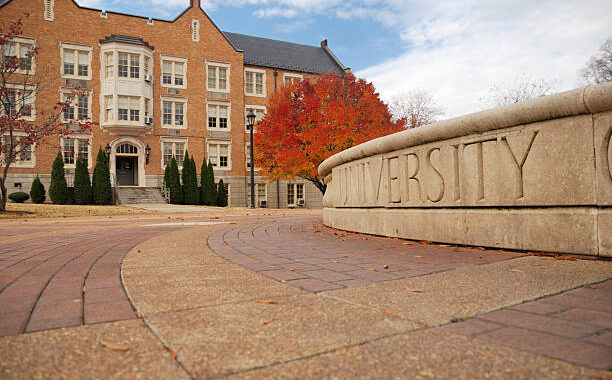
Big College
Days with Daniela Hello! Welcome to my blog, today we are going to talk about the positive and negative things of studying and living in a big University, in my case I am a student at Texas A&M University. Pros: • There are plenty of opportunities for socializing, and extracurricular activities. There are several options to do some sports, there are clubs of many types, either related to your career or clubs of things you have in common with other people. • At large universities, you may have more job opportunities, research resources working with your professors, and even more opportunities for people who are more interested in sports. You will also have more opportunities for scholarships and financial aid if you meet certain requirements. Cons: • Face-to-face classes have up to three hundred students in a classroom. It will be harder to socialize with your classmates and sometimes not have one-on-one interactions with your teachers and they will not always be able to help you because they have so many more students to teach. But like any University, they also offer tutorials with teaching assistants and pages with tutorials to learn the best material. • The university is big; therefore, you must learn your ways and times to be able to arrive on time. If possible, you should have a means of transportation such as skateboards and bicycles. In my case, I was on foot like most people. • They have many departments that serve certain services, therefore, you have to learn the ones you will need the most and know their location in case you need help with something, in my case I always had a list with addresses for services such as Financial Aid and Disability, but since it is a large school and there are many students it is likely that the help you receive or the services are not the best. Students may not receive as much personalized attention and you may have to deal with long wait times for help, as was in my case. In conclusion, these are examples of the pros and cons of being in a large University, partly based on my experience, I would recommend visiting universities before making that big decision such as choosing a university. Remember that this decision will depend on your presence and that it is what you are looking for in your life goals.

The Hard Part of College That No One Talks About
By: Chris the Graduate College is often portrayed as the best time of your life, full of new experiences, friendships, and opportunities. While this is true, there are also challenges that students face, which aren’t always talked about. It’s important to acknowledge these difficulties, not to discourage you, but to prepare you and offer hope that you can overcome them. Here’s a look at some of the tougher parts of college and how to navigate them. Feeling Overwhelmed One of the hardest parts of college is feeling overwhelmed by the sheer amount of work and responsibilities. Between classes, homework, projects, part-time jobs, and social obligations, it can feel like you’re juggling too many balls at once. Tip for Coping: Break tasks into smaller, manageable chunks. Use planners or digital tools to keep track of deadlines. Remember, it’s okay to ask for help. Most colleges offer resources like tutoring centers, academic advisors, and counseling services. Talking to someone about your stress can make a big difference. Homesickness and Loneliness Leaving home for the first time can be tough. Missing family, friends, and the comfort of home is natural, but it can lead to feelings of loneliness. Tip for Coping: Stay connected with loved ones through regular calls or video chats. Try to get involved on campus. Joining clubs, sports teams, or study groups can help you meet new people and create a support network. Remember, many students are in the same boat and are looking to make new friends. Academic Pressure The academic demands of college can be intense. You might find yourself struggling with subjects that were easier in high school, or feeling pressure to maintain a high GPA. Tip for Coping: Focus on doing your best rather than achieving perfection. Take advantage of professors’ office hours to seek help and clarification. Form study groups with classmates; learning together can make the material more understandable and less daunting. Financial Stress College is expensive, and financial stress is a common issue. Whether it’s worrying about tuition, textbooks, or living expenses, money can be a significant source of anxiety. Tip for Coping: Create a budget to manage your expenses and stick to it. Look for part-time jobs or work-study programs that fit your schedule. Many colleges have financial aid offices that can help you find scholarships, grants, and other resources to ease the burden. Uncertainty About the Future Choosing a major, thinking about careers, and making long-term plans can be overwhelming. It’s common to feel uncertain about your future and question if you’re on the right path. Tip for Coping: It’s okay not to have everything figured out right away. College is a time for exploration. Take different courses to discover what you’re passionate about. Use career services offered by your college for guidance and internship opportunities. Remember, many people change their career paths multiple times throughout their lives. Maintaining Mental Health With all these pressures, maintaining your mental health can be challenging. Stress, anxiety, and depression are common among college students, yet they’re often not talked about openly. Tip for Coping: Prioritize self-care. Make time for activities that relax and rejuvenate you, whether it’s exercise, hobbies, or spending time with friends. Don’t hesitate to seek professional help if you’re struggling. Many colleges offer free or low-cost counseling services. Conclusion The hard parts of college are real, but they’re also surmountable. Acknowledging these challenges is the first step to overcoming them. Remember, it’s okay to struggle and to seek help. College is not just about academics; it’s a journey of personal growth and resilience. Despite the difficulties, college can be an incredibly rewarding experience. The friendships you make, the knowledge you gain, and the personal growth you experience are invaluable. By facing the tough times head-on and utilizing the resources available to you, you can navigate through the challenges and come out stronger on the other side. So, take a deep breath, believe in yourself, and embrace the journey. You’ve got this!

How Classes Function in College
By: Chris the Graduate In college, how classes function can greatly impact a student’s academic journey. The structure, time management, and relationships with professors all play crucial roles in determining success. Unlike high school, where the learning environment is more guided, college offers a more autonomous and self-directed learning experience. This blog delves into the intricacies of college classes, providing insights on how to navigate them effectively. The Basic Structure College classes come in various formats, each tailored to different learning styles and academic goals. Lectures are common for introductory courses and involve a professor delivering information to many students. These sessions focus on presenting key concepts and foundational knowledge. Seminars, on the other hand, are smaller and more interactive. They encourage in-depth exploration of specific topics through discussions, presentations, and group activities. This format allows for closer interaction with the professor and fellow students, fostering a collaborative learning environment. Labs and workshops provide hands-on experience and practical application of theoretical concepts. While labs are typically associated with science and engineering courses, workshops can be found in a broader range of disciplines. Both formats emphasize teamwork and active participation, essential for mastering practical skills. Assignments and Grading Assignments and grading in college can vary widely depending on the course and professor. Understanding how these elements work is vital for managing your academic workload and achieving success. Assignments can include a range of activities such as essays, research papers, problem sets, projects, and presentations. Each assignment type has its own set of expectations and requirements, so it’s important to pay close attention to the instructions and grading rubrics provided by the professor. Grading systems in college often differ from high school. Instead of receiving frequent, smaller grades, students might have fewer assignments that carry more weight. Midterms and finals can account for a significant portion of the final grade. Participation, attendance, and smaller assignments also contribute to the overall grade but typically to a lesser extent. Time management is crucial for handling assignments effectively. Breaking down large projects into smaller tasks and setting deadlines for each part can make the workload more manageable. Regularly reviewing the syllabus and staying ahead of deadlines helps prevent last-minute stress. Pre-existing Knowledge and Self-Directed Learning College professors expect students to come prepared with a certain level of pre-existing knowledge and the ability to learn independently. This expectation means students must take a proactive approach to their education. Pre-class preparation is essential. Professors often assign readings, videos, or problem sets to be completed before class. This material forms the basis for lectures and discussions, so staying on top of pre-class work is crucial. Active participation in class discussions and activities demonstrates understanding of the material and helps reinforce learning. Significant learning occurs outside the classroom as well. Regularly reviewing lecture notes, completing assignments, and preparing for exams independently are key components of self-directed learning. Building Relationships with Professors Developing positive relationships with professors can significantly enhance the college experience. Attending office hours is one of the best ways to build these relationships. Professors hold office hours specifically to meet with students, providing an opportunity to ask questions, seek clarification on course material, and discuss academic interests. Engaging actively in class also helps build rapport with professors. Showing interest in the subject and participating in discussions can make a lasting impression. Seeking feedback on assignments and exams demonstrates a commitment to improvement and academic success. Professionalism is important in all interactions with professors. Being respectful, punctual, and prepared helps build a positive and productive relationship. These relationships can provide valuable support and guidance throughout the college journey. Conclusion Understanding how college classes function and managing your time effectively is crucial for success in higher education. The increased independence offers the opportunity to develop valuable skills in self-directed learning and time management. Building relationships with professors can further enrich the academic experience, providing support and guidance throughout the college journey.

Studying to the Max: Tips to Keep Up with Classwork
By: Chris the Graduate Navigating the demands of college coursework can be one of the biggest challenges students faces. The transition from high school to college brings a new level of independence and responsibility that can be both thrilling and overwhelming. With fewer structured deadlines and a greater emphasis on self-directed learning, it’s easy to fall behind if you’re not prepared. However, with the right strategies, staying on top of your classwork and excelling academically is entirely achievable. Here’s a realistic view of what to expect and how to manage your workload effectively to ensure a successful college experience. The Reality of College Classwork Syllabus Shock Pacing and Deadlines Variety of Classes Independent Learning Tips for Managing Classwork Organize and Prioritize Create a Study Schedule Active Participation in Class Effective Note-Taking Leverage Resources Balancing Act Technology as a Tool Stay Flexible Conclusion Managing classwork in college is a balancing act that requires strategic planning, disciplined execution, and flexibility. By organizing your tasks, engaging actively in your studies, and maintaining a healthy lifestyle, you can successfully navigate the academic challenges of college. The goal is not just to survive but to thrive. Happy studying!

Ways to Earn Money While in College
By: Chris the Graduate As a student, in college you often find yourself balancing coursework, projects and social activities while also handling constraints. Fortunately, there are opportunities to make money during your college years that can alleviate financial pressure without burdening your already busy schedule. Here are some feasible and well received choices On-Campus Jobs Numerous universities provide a range of job options on campus that are convenient and adaptable for students. These opportunities may involve roles in the library, cafeteria, administrative offices or, as a resident advisor. On campus jobs typically consider the requirements of your timetable. Offer shifts that fit around your classes. Example: Library Assistant Working as a library assistant can involve helping students find resources, organizing materials, and managing checkouts. This job can be particularly beneficial for those who prefer a quieter work environment and can use their downtime to study. Freelancing If you have a skill such as writing, graphic design, web development, or social media management, freelancing can be a lucrative way to earn money. Platforms like Upwork, Fiverr, and Freelancer allow you to offer your services to a global market. Example: Freelance Writer Many businesses and blogs are willing to pay for high-quality content. As a freelance writer, you can take on projects that fit your interests and schedule, building a portfolio that can help you secure more lucrative gigs in the future. Tutoring If you excel in a particular subject, tutoring can be both rewarding and profitable. You can offer your services to fellow students who need help or work with local high school students. Many tutoring positions are available both in-person and online. Example: Math Tutor Helping students understand complex math concepts not only reinforces your own knowledge but can also provide you with a steady income. Tutoring sessions can often be scheduled around your classes, making it a flexible option. Part-Time Jobs Local businesses around college campuses often hire students for part-time work. Positions in retail, food service, or customer service can offer flexible hours and valuable work experience. Example: Barista Working as a barista at a coffee shop can be a fun way to earn money while developing customer service skills. Many coffee shops offer early morning or late evening shifts, which can fit well with your class schedule. Gig Economy Jobs The gig economy offers a variety of short-term, flexible job opportunities. Companies like Uber, Lyft, Door Dash, and TaskRabbit allow you to work when you have free time and need extra cash. Example: Delivery Driver As a delivery driver for services like Door Dash or Uber Eats, you can choose your hours and make deliveries in your spare time. This job can be particularly convenient if you have a car and enjoy driving. Selling Crafts or Products If you have a knack for creating handmade items or finding unique vintage products, selling them online can be a great way to earn money. Platforms like Etsy, eBay, and Poshmark make it easy to set up a shop and reach a wide audience. Example: Etsy Seller Whether you create jewelry, art, or custom clothing, setting up an Etsy shop allows you to turn your hobby into a business. With some marketing and quality craftsmanship, you can attract customers and make sales. Internships While not always highly paid, internships can provide valuable experience and networking opportunities. Some internships offer stipends or hourly wages, and they often align with your field of study, providing practical experience that can boost your resume. Example: Marketing Intern Working as a marketing intern can give you hands-on experience in your field, helping you develop skills and connections that will be beneficial after graduation. Look for paid internships or those offering stipends to help cover expenses. By exploring these options, you can find a way to earn money while in college that fits your schedule and leverages your skills. Balancing work and study can be challenging, but with the right approach, it’s entirely possible to manage both effectively and set yourself up for future success.

The Idea of College VS. The Reality of College
By: Chris the Graduate Entering college is a significant milestone in life, often accompanied by high expectations and dreams. For many high schoolers, the idea of college is shaped by movies, TV shows, and stories from older siblings or friends. However, the reality can be quite different. Here’s a look at some common expectations versus the actual experiences that students often encounter. Expectation: Endless Freedom and Fun High schoolers often imagine college as a paradise of freedom with minimal parental supervision, late-night parties, and newfound independence. The allure of no curfews, making your own schedule, and living in dorms with friends is strong. Reality: Balancing Freedom with Responsibility While it’s true that college offers more freedom, it also comes with significant responsibility. Time management becomes crucial as students juggle classes, assignments, jobs, and social activities. Procrastination, which might have been manageable in high school, can quickly lead to stress and poor performance in college. For example, students who prioritize partying over studying might find themselves struggling to keep up with coursework, leading to anxiety and potential academic probation. Expectation: Light Academic Workload Many incoming students believe college will be similar to high school but with fewer hours spent in class. They expect manageable workloads and ample time for extracurricular activities. Reality: Academic Rigor and Self-Directed Learning College academics can be far more demanding than high school. Courses often require extensive reading, research, and self-study. Unlike high school, where teachers may regularly check homework and progress, college professors expect students to take initiative. A biology major, for example, might spend countless hours in labs and libraries to keep up with the curriculum. The shift from structured high school learning to self-directed college study can be challenging but is essential for success. Expectation: Instant Social Connections Movies often portray college life as an instant gateway to lifelong friendships and a vibrant social scene. The idea of quickly finding a close-knit group of friends and participating in numerous social events is enticing. Reality: Building Friendships Takes Time Making friends in college can take time and effort. Freshmen might feel lonely or homesick initially, especially if they are far from home. Joining clubs, attending campus events, and participating in dorm activities can help, but it requires stepping out of one’s comfort zone. For instance, students who actively participate in club activities or intramural sports often report a more fulfilling social experience. Expectation: Clear Career Path Many students enter college with a clear vision of their career path, believing that their major will directly lead to a specific job. Reality: Exploration and Uncertainty College often turns out to be a period of exploration and self-discovery. It’s common for students to change majors multiple times as they learn more about their interests and strengths. A pre-med student might discover a passion for psychology, or an engineering major might find joy in business. Internships, part-time jobs, and volunteering can provide practical experience and help clarify career goals. Conclusion The transition from high school to college is a significant adjustment that involves balancing newfound freedoms with increased responsibilities. Understanding the realities of college life can help students prepare better and set realistic expectations, leading to a more rewarding and successful college experience.

The Difference and Importance of Every Degree
By: Chris the Graduate College is on the horizon, which means you can choose your academic path. A degree is the foundation for a successful career. It sets you up with the right skills and knowledge to succeed in the future. Investing in your education now will pay off in the long run. The road to your dream career begins with your education – the roadmap that will lead you there. Bachelor’s degrees. These are your ticket to deep dives into fields like Business, Engineering, Psychology, and so much more. With a Bachelor’s degree, you’ll immerse yourself in specialized knowledge and skills that will prepare you for the workforce. Think of it as your foundational step towards becoming an expert in your chosen field. Whether you’re passionate about numbers, technology, or helping others, there’s a Bachelor’s degree program out there for you. But what if you’re not quite ready for a full-fledged Bachelor’s program? That’s where Associate degrees come in. These two-year programs, typically offered at community colleges or technical schools, provide a shorter, more focused educational experience. Associate degrees are perfect for those looking to explore different career paths, gain practical skills, or ease into college life before committing to a longer program. Plus, they’re often more budget-friendly, making them an attractive option for many students. Now, let’s talk about taking your education to the next level with Master’s degrees. These advanced programs allow you to specialize even further within your field, whether it’s pursuing an MBA for business professionals, an MSW for social workers, or an MA in Literature for aspiring writers and scholars. With a Master’s degree, you’ll deepen your expertise, increase your earning potential, and open doors to new career opportunities. Plus, who doesn’t love adding some impressive letters after their name? And for those with a thirst for knowledge and a drive for academic excellence, there’s the pinnacle of achievement, Doctoral degrees. Whether it’s a PhD, MD, or JD, Doctoral programs are designed for those who are passionate about research, teaching, or leadership roles in their field. Yes, they require serious dedication and commitment, but the rewards, like becoming a respected expert in your field, making groundbreaking discoveries, or advocating for change, are absolutely worth it. So there you have it, a brief overview of degree types and the countless possibilities they offer. It doesn’t matter whether you dream of a Bachelor’s degree, an Associate’s degree, a Master’s degree, or a Doctorate degree, each path is unique and filled with endless possibilities for your future. As you embark on this exciting journey into higher education, remember to explore your options, follow your passions, and embrace the possibilities. Invest in your future now, let’s make it amazing!

Summer Activities To Do While Waiting for College
By: Chris the Graduate The countdown to college has begun, and you’re probably feeling a mix of nerves and excitement. But before you start stressing about textbooks and dorm room decor, let’s talk about something awesome, summer! Yep, those glorious months where the days stretch out and the possibilities are endless. This is your chance to make the most of your freedom before the college grind kicks in. So, what’s on the agenda? Summer is more than just lazy days by the pool, although those are great too! It’s an opportunity to explore, learn, and grow in ways you might not have considered. So, what can you do to make the most of this precious time? Let’s dive in. First off, consider picking up a new hobby or skill. Whether it’s learning to cook your favorite meals, mastering a musical instrument, or trying your hand at photography, summer is the perfect time to indulge your passions and discover new ones. Not only will this keep you engaged and entertained, but it’ll also boost your confidence as you head into college. Next, why not embark on a mini adventure? Whether it’s a road trip with friends, a camping excursion in the great outdoors, or a visit to a nearby city you’ve always wanted to explore, summer is ripe with opportunities for adventure. These experiences will not only create lifelong memories but also teach you valuable lessons about independence, teamwork, and adaptability. Of course, let’s not forget about giving back to your community. Volunteering your time and talents to worthy causes not only makes a positive impact on the world around you but also provides a sense of fulfillment and purpose. Whether you’re tutoring local students, helping at a soup kitchen, or participating in environmental clean-up efforts, there’s no shortage of ways to make a difference. And last but certainly not least, don’t forget to take some time for yourself. Amidst the hustle and bustle of summer activities, it’s important to carve out moments of relaxation and self-care. Whether it’s curling up with a good book, practicing meditation, or simply enjoying a quiet evening under the stars, don’t underestimate the power of slowing down and recharging your batteries. So, there you have it. A few ideas to make your summer before college one for the books. Whether you’re exploring new interests, embarking on adventures, giving back to your community, or simply taking time for yourself, remember to savor every moment and embrace the excitement of what’s to come. Your college journey awaits, but for now, let’s make this summer one to remember!